
Sri Lanka Orders Rooftop Solar Disconnection After Nationwide Blackout
TIME
Click count
Following a nationwide blackout on October 17, 2026, Sri Lanka’s national system operator instructed all rooftop solar photovoltaic system owners to temporarily disconnect their installations from the grid until further notice. The measure, described in the October 17–19 event period, was intended to support grid restoration and prevent additional instability during reconnection.
The immediate consequence is a temporary interruption to rooftop solar systems’ connection to the network. For affected owners, the duration of the instruction and the conditions for reconnecting are the most relevant operational questions.
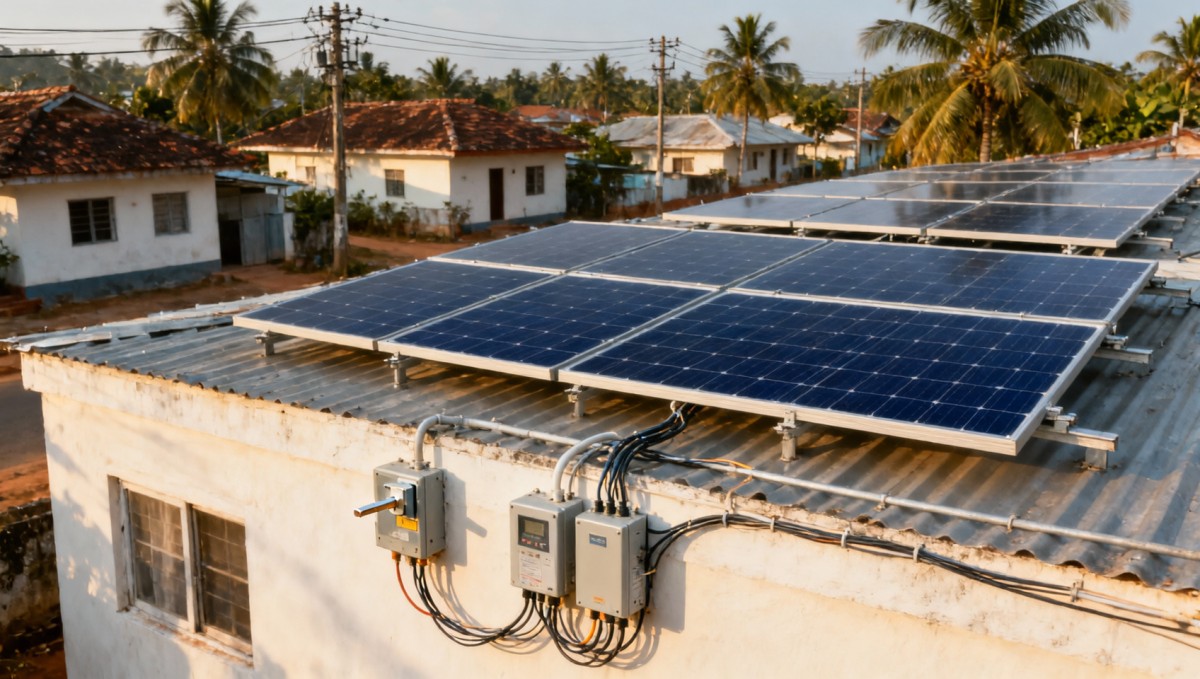
The order highlights the importance of coordinating distributed generation with electricity system recovery. Restoring the grid involves managing how connected resources return to service; in this case, the operator sought to limit potential instability by keeping rooftop solar installations disconnected temporarily.
However, the disconnection instruction does not establish that rooftop solar caused the original blackout. Its stated purpose concerns the restoration process. Treating it as evidence of the outage’s cause would go beyond what the event establishes.
For the solar sector, the clearest issue is how grid stability requirements can affect the availability of distributed generation during a major disruption. If the disconnection period continues, affected installations could face a longer interruption to electricity exports. Any broader commercial impact would depend on the duration and the eventual reconnection arrangements.
Further operator instructions on lifting the restriction and restoring rooftop solar connections will help clarify the extent of the disruption. Those details will also indicate whether the response remains a temporary recovery measure or leads to changes in how these systems are coordinated during future restoration operations.
Recommended News
- China Solar: High Polysilicon Stocks, LONGi–Engie 800 MW Module DealOct 24, 2026Explore China solar trends as polysilicon stocks top 560,000 tonnes and tenders rebound. Discover what LONGi–Engie’s 800 MW module framework means for supply and demand.
- Sri Lanka Orders Rooftop Solar Disconnection After Nationwide BlackoutOct 20, 2026Sri Lanka rooftop solar disconnection follows a nationwide blackout. Learn why systems were taken offline, how owners are affected, and what to watch for on grid reconnection.
- Which Solar Technology Works Best in Humid Tropical Climates?Oct 12, 2026Which solar energy technology suits high-humidity tropical climates best? Compare monocrystalline and CdTe options, moisture resistance, and lifetime value to choose with confidence.
- Solar Project Delivery Assurance: Controls That Protect Schedule and PerformanceOct 09, 2026Solar project delivery assurance: discover practical controls that protect schedules, commissioning readiness, quality, grid compliance, and long-term plant performance.
- What Does a Solar Module Assembly Line Do From Cell Stringing to Testing?Sep 16, 2026Discover the functional purpose of a solar module assembly line, from precise cell stringing and lamination to EL testing, reliable output, and field-ready panel quality.
- TBEA’s 29 New Energy and Power Equipment Products Pass National-Level AppraisalOct 26, 2026TBEA’s 29 new energy and power equipment products reportedly passed national-level appraisal. Explore the results and key checks for smarter procurement decisions.
- Baby Sleeping Bags: Choosing the Right TOG Rating and a Safe FitOct 25, 2026Choosing babysleepingbags? Discover how to match TOG ratings to room temperature, check for a safe fit, and avoid overheating with practical tips to help you shop confidently.
- Eco Building Solutions in the UAE: Estidama vs. Al Sa'fat RequirementsOct 21, 2026Explore eco building solutions UAE projects need. Compare Estidama and Al Sa’fat ratings, technical requirements and compliance evidence to reduce approval risks and choose with confidence.
- CE Marking: How to Identify Your Product Category and Applicable EU RulesOct 19, 2026Explore product category analysis CE assessors can use to identify applicable EU rules, resolve overlapping obligations, and plan conformity assessment before costly testing.
- What Drives the Cost of Technical Specification Analysis Before Procurement?Oct 14, 2026Understand technical specification analysis cost before procurement. Explore key cost drivers, compare review scopes, and reduce unnecessary spend without compromising purchasing confidence.
- Outdoor Furniture Prices by Material: Purchase, Delivery, and Upkeep CostsOct 27, 2026Compare outdoor furniture price by material, including purchase, delivery, and upkeep costs. Discover how to evaluate supplier quotes and choose better long-term value.
- Real-Time Industrial Trend Analysis: Which Indicators Signal Demand Shifts?Oct 23, 2026Use real time industrial trend analysis to spot demand shifts early. Discover how orders, inventory, and factory activity reveal buying signals and guide smarter business decisions.
- Global Sourcing for Procurement: How to Compare Total Landed CostsOct 22, 2026Optimize global sourcing for procurement by comparing total landed costs, from freight and duties to quality risks. Discover how to uncover hidden costs and choose suppliers with confidence.
- How Can Data Analysis Compare Global Supplier Pricing Trends?Oct 12, 2026How to use data analysis to compare global supplier pricing trends? Learn to align quotes, track currency impacts, and compare landed costs for smarter sourcing decisions.
- Vietnam Precast Concrete Market: Demand Drivers, Capacity, and Buyer RisksOct 09, 2026Vietnam precast concrete market insights: assess demand drivers, production capacity, logistics, quality compliance, and buyer risks for smarter sourcing and investment decisions.
All Categories
Hot Articles
- Outdoor Furniture Prices by Material: Purchase, Delivery, and Upkeep CostsOct 27, 2026Compare outdoor furniture price by material, including purchase, delivery, and upkeep costs. Discover how to evaluate supplier quotes and choose better long-term value.
- Chile’s BESS Cut Curtailment as Projects Under Construction Are Expected to Triple CapacityOct 27, 2026Chile’s BESS are cutting renewable curtailment, while ACERA expects projects under construction to triple storage capacity. Explore what this could mean for developers and suppliers.
- Energy Management in North America: Using Demand Response to Cut Facility CostsOct 26, 2026Explore energy management North America facilities can use to cut costs with demand response. Learn to assess programs, protect operations, and unlock reliable savings.