
China Introduces Tiered Registration for 20 High-Risk Imported Foods
TIME
Click count
Effective 1 June 2026, China’s General Administration of Customs (GACC) Ordinance No. 280 introduces a tiered registration system for 20 categories of high-risk imported foods—including meat, aquatic products, dairy, and bird’s nest—impacting global exporters across North America, Europe, Australia, New Zealand, and South America. The new regulatory framework tightens oversight on supply chain compliance, particularly for animal-derived products and their associated cold-chain infrastructure.
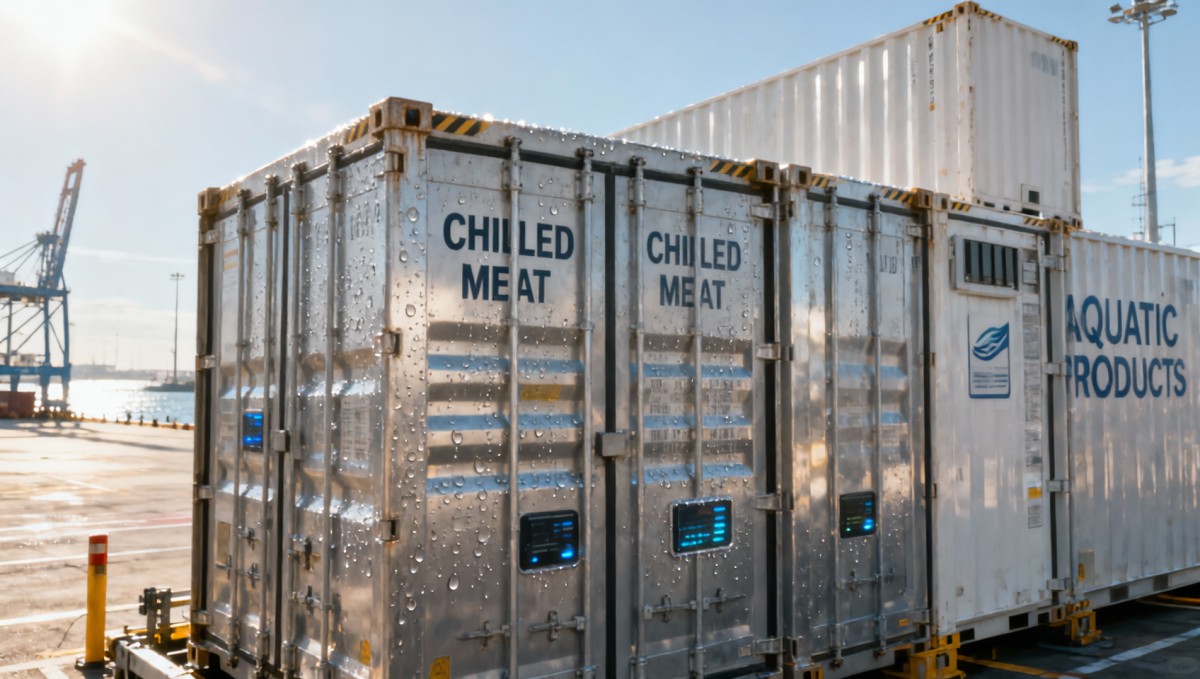
New Regulatory Framework Enters Force
Starting 1 June 2026, GACC Ordinance No. 280 mandates tiered registration for 20 designated high-risk food categories, including meat, aquatic products, dairy, and bird’s nest. All registrations are valid for five years. Facilities handling animal-derived foods must now ensure that supporting cold storage premises are incorporated into the customs supervision system. Notably, registration authorizations for meat products and bird’s nest do not qualify for automatic renewal.
Impact Across Supply Chain Roles
Direct Importers and Exporters
These entities face revised renewal timelines and heightened documentation requirements. Since meat and bird’s nest registrations no longer renew automatically, proactive reapplication—well ahead of expiry—is essential to avoid import disruptions. Delays may directly affect shipment scheduling and contract fulfillment.
Raw Material Sourcing Companies
Firms procuring inputs from overseas suppliers must now verify not only product registration status but also the regulatory standing of associated cold storage facilities. This adds a new layer of due diligence to supplier qualification and audit protocols.
Food Processing Manufacturers
Manufacturers relying on imported raw materials—especially animal-based ingredients—must align production planning with potential certification gaps. A lapsed registration may halt inbound material flows, triggering production delays or reformulation needs.
Logistics and Cold-Chain Service Providers
Third-party cold storage operators serving animal-derived food exporters must now register their facilities under customs supervision. This expands compliance obligations beyond traditional food safety certifications to include infrastructure-level reporting and traceability integration.
Key Compliance Priorities for Enterprises
Review and Reset Registration Timelines
Companies exporting meat or bird’s nest to China must map current registration expiry dates and initiate renewal applications at least six months in advance—given processing lead times and possible supplementary verification steps.
Validate Cold Storage Facility Registration
For animal-origin products, confirm whether all relevant cold storage sites used in the export chain have been registered with GACC and meet updated infrastructure and record-keeping criteria.
Update Supplier Qualification Protocols
Procurement teams should revise vendor assessment checklists to include active GACC registration status, facility-level compliance evidence, and documented renewal history—not just product-level approval.
Integrate Regulatory Triggers into Procurement Planning
Procurement and logistics departments must embed registration expiry dates into ERP or supply planning systems, treating them as critical path constraints alongside quality certifications and phytosanitary certificates.
Industry Perspective: Beyond Administrative Change
Analysis shows this is more than an administrative update—it reflects a strategic shift toward granular, infrastructure-aware food import governance. From an industry perspective, the explicit inclusion of cold storage in customs oversight signals growing emphasis on end-to-end traceability and temperature integrity. What deserves closer attention is how the five-year fixed term—combined with non-automatic renewal for key categories—may compress the effective compliance runway for exporters, especially those managing multi-country registration portfolios. Observably, this could accelerate consolidation among smaller exporters unable to sustain parallel compliance efforts across jurisdictions.
Strategic Implications for Global Food Trade
This regulation marks a step toward harmonizing import controls with international food safety standards while reinforcing China’s sovereign oversight of high-risk food entry points. Rather than signaling increased trade barriers per se, it underscores the growing expectation that foreign establishments operate as integrated extensions of China’s domestic food safety system—particularly where temperature-sensitive, biologically complex products are involved. Long-term resilience will depend less on single-point certifications and more on embedded compliance capacity across the entire export value chain.
Source Attribution and Verification Guidance
This article synthesizes the provided information: title, event date (1 June 2026), and official summary of GACC Ordinance No. 280. Specific official source links were not provided in the input and should be verified continuously. Stakeholders are advised to monitor subsequent GACC implementation notices, registration guidance documents, and updates from national competent authorities in exporting countries—particularly regarding application procedures, technical documentation formats, and transitional arrangements for registrations issued before 1 June 2026.
Recommended News
- Industrial Automation Trends: What They Mean for Legacy Factory UpgradesOct 15, 2026Explore industrial automation insights for legacy factory upgrades. Discover how connectivity, AI maintenance, and robotics can reduce risk and guide smarter, phased investments.
- What Drives the Cost of Technical Specification Analysis Before Procurement?Oct 14, 2026Understand technical specification analysis cost before procurement. Explore key cost drivers, compare review scopes, and reduce unnecessary spend without compromising purchasing confidence.
- 400V Three-Phase Grid Integration: Inverter and Protection RequirementsOct 13, 2026Explore grid integration 400V requirements for three-phase inverters, anti-islanding, earthing, and fault protection. Learn what to verify for compliant, reliable connections.
- Will a power distribution automation solution fit your SCADA system?Oct 12, 2026Will a power distribution automation solution fit your SCADA system? Explore protocol compatibility, control safety, and testing essentials to avoid costly gaps and choose with confidence.
- How automation in power distribution systems shortens outagesOct 12, 2026Discover the importance of automation in power distribution system reliability: learn how FLISR isolates faults and restores healthy sections faster to shorten outages.
- What Drives the Cost of Technical Specification Analysis Before Procurement?Oct 14, 2026Understand technical specification analysis cost before procurement. Explore key cost drivers, compare review scopes, and reduce unnecessary spend without compromising purchasing confidence.
- CE Prefab Houses: Which Components Require CE Marking Before Project Approval?Oct 10, 2026CE prefab houses: learn which components need CE marking before approval, from structural steel and windows to fire protection and MEP systems.
- How to Evaluate Technology Options Against Inspection Standards for Project ApprovalOct 07, 2026Technology option analysis inspection standards: compare evidence, testing, compliance, and lifecycle risk to make faster, approval-ready project decisions.
- How to Specify Manufacturing Equipment Systems for Throughput, Uptime, and SafetyOct 05, 2026Manufacturing equipment systems: learn how to specify sustained throughput, uptime, safety, controls, and acceptance tests for dependable production.
- How to Define Technical Buying Criteria for Reliable Category ResearchSep 28, 2026Technical buying criteria for category research: build measurable requirements, assess risk, compliance, and lifecycle value for smarter supplier decisions.
- Vietnam Precast Concrete Market: Demand Drivers, Capacity, and Buyer RisksOct 09, 2026Vietnam precast concrete market insights: assess demand drivers, production capacity, logistics, quality compliance, and buyer risks for smarter sourcing and investment decisions.
- Technology Advancements Dashboards: What Metrics Reveal Emerging Industry Shifts?Oct 02, 2026Technology advancements dashboard insights reveal investment, adoption, supply-chain, and policy signals—helping leaders spot real industry shifts before competitors.
- How to Compare Global Sourcing Information Before Shortlisting Overseas SuppliersSep 30, 2026Global sourcing information comparison made practical: verify suppliers, assess compliance, capacity, landed cost, and delivery risk before building a confident overseas shortlist.
- Battery Cage Price in Nigeria: Cost Drivers for Farm Project BudgetsSep 22, 2026Battery cage price in Nigeria explained: compare installed costs, steel quality, logistics, water systems and project budget risks before choosing poultry housing.
- How to Build a Poultry Equipment Price List for a New Farm SetupSep 22, 2026Poultry equipment price list guide for new farm setups: compare systems, uncover hidden costs, assess quality, and plan installation with confidence.
All Categories
Hot Articles
- Industrial Automation Trends: What They Mean for Legacy Factory UpgradesOct 15, 2026Explore industrial automation insights for legacy factory upgrades. Discover how connectivity, AI maintenance, and robotics can reduce risk and guide smarter, phased investments.
- What Drives the Cost of Technical Specification Analysis Before Procurement?Oct 14, 2026Understand technical specification analysis cost before procurement. Explore key cost drivers, compare review scopes, and reduce unnecessary spend without compromising purchasing confidence.
- 400V Three-Phase Grid Integration: Inverter and Protection RequirementsOct 13, 2026Explore grid integration 400V requirements for three-phase inverters, anti-islanding, earthing, and fault protection. Learn what to verify for compliant, reliable connections.