
Solar panels lose output for reasons many owners overlook
TIME
Click count
Solar panels can lose output for reasons many owners overlook, from dust buildup and wiring losses to ESS mismatch and hidden shading patterns. This how-to introduction helps information researchers and operators understand what really affects performance, while connecting broader trends such as artificial intelligence, machine learning, and digital monitoring in today’s energy systems.
For B2B buyers, plant operators, facility managers, and technical researchers, the real challenge is not simply installing photovoltaic capacity. It is maintaining reliable energy yield over 5, 10, or 20 years while balancing operating costs, storage compatibility, safety, and data visibility. Small losses that look insignificant on paper can compound into meaningful annual underperformance.
In commercial and industrial settings, even a 3% to 8% output gap can affect payback calculations, battery charging windows, peak shaving value, and maintenance planning. Understanding why solar panels lose output is therefore a practical operational issue, not just a technical curiosity.
Where solar output is really lost in day-to-day operation
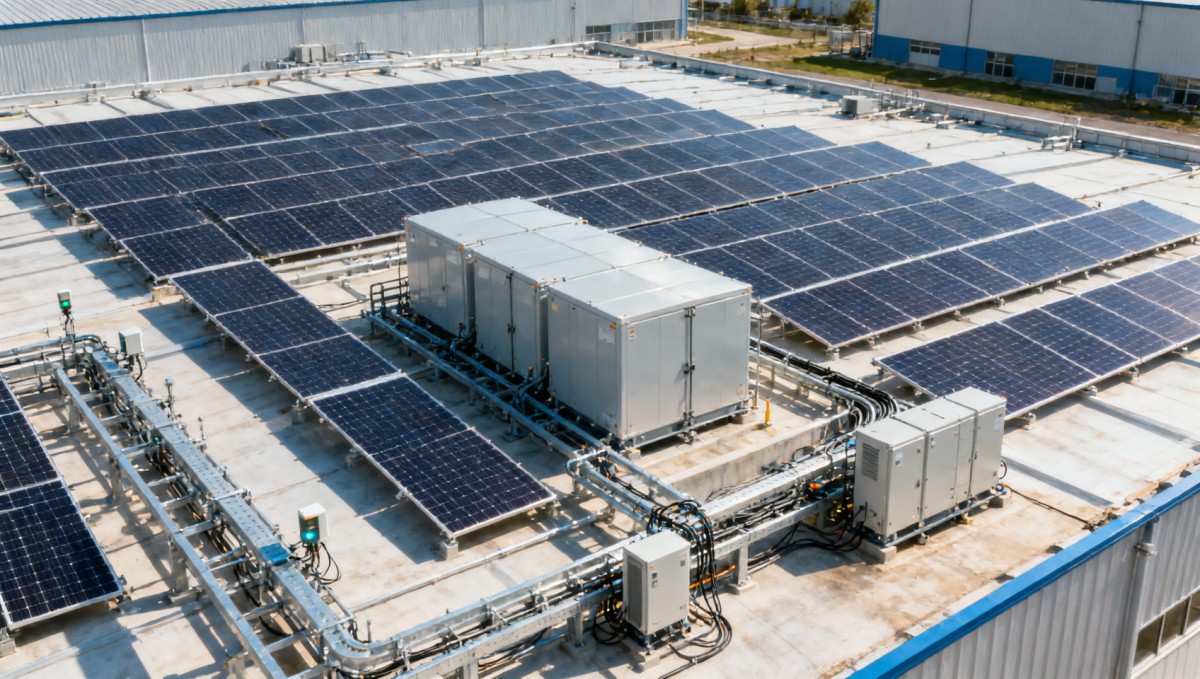
Many owners first suspect module aging when performance drops, but actual losses often come from a chain of smaller issues. These can include dust accumulation, thermal stress, connector degradation, cable resistance, inverter clipping, and irregular shading. In many systems, the combined effect of these factors can exceed the expected annual module degradation rate of roughly 0.3% to 0.8%.
Dust and surface contamination are among the most underestimated causes. In dry, industrial, agricultural, or roadside environments, soiling can reduce yield by 2% to 7% under moderate conditions and more in high-particulate zones. A panel surface that looks only slightly dirty may still distort light transmission enough to weaken string performance across an entire array.
Wiring losses are another overlooked area. Long DC cable runs, poor connector crimping, loose terminals, and oxidation at junction points can create resistive losses that rarely attract attention during visual inspections. A 1% to 3% electrical loss may seem acceptable in isolation, but when paired with heat, mismatch, and downtime, the financial impact becomes harder to ignore.
Shading is also more complex than many site plans suggest. A system may receive full sun at noon yet suffer recurring morning or late-afternoon losses from parapets, trees, HVAC units, utility poles, or seasonal sun-angle changes. Because module strings are interconnected, shading on only 5% to 10% of the active surface can pull down performance disproportionately.
Common loss sources operators should check first
The most effective approach is to review loss points in operational order rather than by component category. This helps teams identify whether the problem begins at energy capture, transmission, conversion, storage, or dispatch.
- Surface soiling, bird droppings, pollen, or oily residue that lower irradiance capture.
- Partial shading from structures, vegetation growth, or temporary rooftop equipment.
- String mismatch caused by uneven aging, replacement modules, or inconsistent orientation.
- DC and AC cable losses from excessive run length, undersized conductors, or poor terminations.
- Inverter limitations such as clipping, MPPT inefficiency, or thermal derating during hot hours.
- ESS charging logic that absorbs power at the wrong times or constrains export flexibility.
For information researchers comparing projects across sectors, these factors matter because they directly shape bankability, O&M scope, and digital monitoring requirements. For operators, they determine whether a site is merely installed or genuinely optimized.
Typical operational loss ranges
The table below summarizes typical field loss categories in commercial and industrial solar applications. These are planning ranges rather than universal values, but they are useful for diagnosing underperformance.
The key conclusion is that output loss is usually cumulative. A site with 4 separate issues, each causing only 2% to 3% inefficiency, may be operating 8% to 12% below practical potential before anyone blames the modules themselves.
Why ESS mismatch and system design choices reduce usable energy
As more projects pair solar generation with energy storage systems, output should be evaluated in terms of usable energy, not panel nameplate capacity alone. A solar array may generate well, but if the ESS is undersized, poorly scheduled, or incompatible with the inverter architecture, a meaningful share of production may be curtailed, delayed, or converted inefficiently.
ESS mismatch often appears in three forms. First, battery power capacity may be too low to absorb midday surplus. Second, battery energy capacity may be insufficient for the desired discharge duration, such as 2 hours when the facility needs 4 hours of support. Third, the control logic may prioritize charging and discharging sequences that do not align with tariff windows, load peaks, or grid export rules.
This is especially relevant in industrial and commercial projects where solar is expected to support self-consumption, demand charge reduction, and backup readiness at the same time. In such cases, a mismatch of even 10% to 15% between array production profile and storage strategy can lower the economic value of each kilowatt-hour generated.
Researchers evaluating project viability should also distinguish between direct solar losses and utilization losses. If a site cannot capture, store, or dispatch energy when needed, the operational result is still lower effective output, even if the panels themselves are functioning within specification.
Design points that affect real-world performance
When reviewing a solar-plus-storage project, operators and procurement teams should examine at least five design variables together rather than separately.
- DC/AC ratio and inverter loading during high irradiance periods.
- Battery power rating in kW compared with expected midday charging surplus.
- Battery energy capacity in kWh compared with target discharge duration of 2, 4, or 6 hours.
- Charge-discharge control strategy based on tariffs, peak load windows, and grid limits.
- Round-trip efficiency and conversion losses across inverter and battery interfaces.
Solar and storage coordination examples
The following table shows how different ESS configurations influence usable solar energy in common operating scenarios.
The lesson is straightforward: a solar asset should be sized and controlled as part of a broader energy system. In modern projects, performance is measured not only by generation, but by how effectively energy is converted, stored, and used at the right time.
How digital monitoring, AI, and machine learning improve diagnosis
Traditional inspections still matter, but they are not enough for assets spread across multiple rooftops, campuses, or industrial sites. Digital monitoring platforms help operators move from periodic checks to continuous visibility. Instead of relying on monthly utility bills or occasional meter readings, teams can analyze inverter-level, string-level, and interval-level performance every 5, 15, or 60 minutes.
Artificial intelligence and machine learning add value when the system has enough clean historical data. These tools can compare expected versus actual yield under changing irradiance, temperature, and load conditions. They can also flag deviation patterns that would be difficult to identify manually, such as recurring underperformance on one string every afternoon or gradual decline associated with connector heating.
For operators, the practical advantage is shorter diagnosis time. Instead of taking 2 to 3 weeks to confirm a fault through manual site visits and spreadsheet review, a digital platform may reduce the first stage of investigation to 1 to 3 days. This does not eliminate the need for technicians, but it improves maintenance prioritization and resource allocation.
For market researchers and procurement teams, digital capability is also a selection criterion. A system with strong data granularity, alarm logic, and analytics support often delivers better lifecycle performance than a lower-cost installation with limited visibility.
What a useful monitoring stack should include
A practical monitoring architecture should connect field data, asset management, and decision workflows. The most useful tools are those that turn alarms into actions.
- Data collection from inverters, meters, weather sensors, and ESS controllers at consistent intervals.
- Performance benchmarks using irradiance, temperature, and expected yield models.
- Alert rules for clipping, unexplained string deviation, low state-of-charge behavior, and communication loss.
- Maintenance ticketing or workflow handoff so anomalies lead to site inspection within 24–72 hours.
- Historical dashboards to compare day-on-day, month-on-month, and season-on-season trends.
Monitoring maturity by operational stage
Different asset owners need different levels of digital oversight. The table below outlines a practical maturity model for solar performance monitoring.
As energy systems become more integrated, digital visibility is no longer optional. It is the bridge between raw solar generation and accountable performance management across procurement, operations, and long-term asset strategy.
A practical inspection and procurement framework for operators
Operators often ask a simple question: where should we start if solar panels are losing output? The best answer is a structured inspection workflow that combines visual review, electrical testing, performance comparison, and data analysis. This is especially important for facilities that cannot afford repeated downtime or ad hoc maintenance visits.
A useful framework begins with verification of actual generation against expected seasonal output. If underperformance exceeds a working threshold such as 5% over multiple clear-sky days, the next step is to isolate likely causes by category: surface condition, shading pattern, electrical path, inverter behavior, and storage coordination.
For procurement teams, the same logic applies before signing with an EPC, O&M provider, or platform vendor. Price alone is not enough. Buyers should review at least 4 dimensions: performance transparency, service response time, compatibility with ESS and monitoring tools, and clarity of maintenance scope across a 12-month cycle.
In cross-border projects or multi-site portfolios, standardized inspection templates are particularly valuable. They allow data comparison across regions, installers, and operating conditions, which supports better lifecycle decisions and more credible performance benchmarking.
Five-step field review process
- Confirm energy variance over at least 7 to 14 operating days with weather context included.
- Inspect modules for dust, residue, glass damage, hotspot indicators, and uneven soiling patterns.
- Check shading windows at different times of day, not only at noon.
- Review DC and AC connections, voltage drop, inverter logs, and temperature-related alarms.
- Verify ESS charging behavior, dispatch rules, and whether curtailment occurs during peak production.
Procurement checklist for performance-focused buyers
The table below can be used when comparing integrators, service partners, or monitoring platforms in commercial and industrial solar projects.
This framework helps separate low-cost offers from operationally reliable ones. In solar, the cheapest purchase can become the more expensive asset if monitoring, maintenance, and ESS coordination are weak.
Frequently asked questions about hidden solar performance loss
Because solar underperformance is often gradual rather than sudden, many questions arise only after several billing cycles or after a storage retrofit. The answers below focus on common field concerns from both operators and researchers.
How often should commercial solar panels be cleaned?
There is no single interval for every site. In low-dust areas with regular rainfall, inspections every 30 to 60 days may be enough, with cleaning triggered by visible buildup or measurable yield deviation. In dry industrial zones, logistics yards, farms, and coastal areas, shorter intervals may be needed, especially during peak dust or pollen seasons.
Can a small amount of shading really matter?
Yes. In string-based systems, limited shading on one module can affect the performance of connected modules. The impact depends on array design, bypass diodes, module electronics, and when the shading occurs. Repeated early-morning or late-afternoon shading may not look severe, but across 365 days it can create meaningful energy loss.
Is lower output always a sign that the panels are degrading?
Not necessarily. Normal module degradation is usually gradual and modest compared with losses from dirt, high temperature, wiring faults, inverter behavior, or storage mismatch. If output drops suddenly or irregularly, operators should investigate operating conditions and system balance before assuming module failure.
What data should buyers request before selecting a monitoring or O&M partner?
Ask for sample dashboards, reporting intervals, alert logic, service response procedures, and whether the platform can correlate solar generation with ESS status and facility load. A partner that only shows production totals may not provide enough visibility to diagnose hidden losses at the component level.
Solar panels lose output for more reasons than many owners expect, and the biggest risk is often not one major fault but a combination of overlooked losses. Soiling, hidden shading, wiring inefficiency, inverter constraints, and ESS mismatch can all reduce real-world energy value. With structured inspection, performance-focused procurement, and digital monitoring enhanced by AI and machine learning, operators can identify problems faster and protect long-term system returns.
GISN supports global decision-makers with industry intelligence that connects renewable energy performance, storage strategy, digital tools, and operational best practice. If you are evaluating solar assets, comparing monitoring solutions, or planning a more resilient solar-plus-storage deployment, contact us to get tailored insights, discuss project requirements, and explore more solutions.
Recommended News
- What Warranty Terms Should Buyers Check When Importing Solar Panels?Sep 16, 2026What warranty terms should I look for in solar panel imports? Learn how to assess product coverage, performance guarantees, exclusions, claims, and supplier liability.
- EU Makes EN 63202-1:2026 Mandatory for PV ModulesAug 10, 2026EU Makes EN 63202-1:2026 Mandatory for PV Modules. Learn how the new EU rule impacts testing, certificates, customs clearance, and market access for PV exporters and manufacturers.
- EU Makes Solar Module Carbon Disclosure MandatoryAug 07, 2026EU makes solar module carbon disclosure mandatory from Aug 6, 2026. Learn EN 15804+A2, EU CSRD filing, customs risks, and how exporters can stay compliant.
- EU Enforces Carbon Footprint Filing for PV ModulesAug 06, 2026EU Enforces Carbon Footprint Filing for PV Modules: learn how certified EPDs and recycling-rate data now affect EU customs clearance, product listing, and PV export compliance.
- EU Enforces PV Carbon Footprint Filing RuleAug 05, 2026EU Enforces PV Carbon Footprint Filing Rule: learn how the new EU filing rule impacts solar module imports, EPD compliance, recycled material disclosure, and customs clearance for exporters.
- Can Bulldozers Be Adapted for Precision Agriculture Applications?Sep 16, 2026Can bulldozers be converted for precision agriculture applications? Discover how guided grading, soil protection, and data-driven planning improve farm infrastructure.
- REACH Compliance in B2B Market Analysis: Assessing Supplier Risk and Market AccessSep 12, 2026B2B market analysis REACH compliance: assess supplier risk, strengthen evidence controls, and protect EEA market access with practical sourcing insights.
- Analyzing Pressure Ratings in Technical Specifications for Safe Equipment SelectionSep 10, 2026Technical specifications analysis for pressure rating selection: learn how to assess temperature, materials, transients, and connections for safer equipment choices.
- How Often Should Heavy Excavators Be Serviced in Mining Operations?Sep 03, 2026What are the maintenance intervals for heavy excavators in mining? Discover practical service schedules, severe-duty adjustments, oil analysis, and uptime-focused maintenance tips.
- Which mining equipment performance standards matter most on site?Sep 03, 2026Mining equipment performance industry standards: assess availability, payload, fuel efficiency, durability, and safety to improve on-site productivity.
- Prefab Building Cost Factors: How to Budget for Design, Transport, and Site WorkSep 17, 2026Explore prefab building cost factors and learn how to budget smarter for design, transport, foundations, utilities, installation, and approvals.
- Which Emerging Destinations Offer the Best Manufacturing Tax Incentives in 2026?Sep 03, 2026What emerging destinations offer the best manufacturing tax incentives 2026? Compare Vietnam, India, Morocco, Egypt, and Gulf zones for tax, duty, and export advantages.
- Can Data Analysis Tools Detect Supplier Fraud in Procurement Data?Sep 03, 2026Can data analysis tools detect supplier fraud in procurement data? Discover key red flags, analytics methods, and practical controls to investigate risks sooner.
- What are the current pricing structures for industrial automation solutions?Sep 03, 2026What are the current pricing structures for industrial automation solutions? Compare upfront, subscription, usage-based, RaaS, and lifecycle costs to make smarter investment decisions.
- How German bulk pricing changes the cost of industrial machinerySep 03, 2026Industrial machinery and supplies price list and bulk purchase costs in Germany: uncover real savings across equipment, logistics, service, and compliance.
All Categories
Hot Articles
- How Distributors Can Select Digital Marketing Software That Integrates With Their Sales ProcessSep 21, 2026Digital marketing software for distributors: learn how to select an integrated platform that improves lead routing, sales follow-up, account data, and measurable commercial results.
- How to Specify Energy-Efficient Poultry Ventilation for Broiler HousesSep 20, 2026Energy efficient poultry ventilation systems: learn how to specify fans, inlets, controls, and cooling for lower energy use, healthier broilers, and reliable airflow.
- How to Choose Business Travel Services in Europe for Multi-Country TeamsSep 19, 2026Business travel services Europe: learn how to select the right provider for multi-country teams, with policy control, rail access, duty of care, payment visibility, and 24/7 support.