
Tamil Nadu Announces Battery Energy Storage System Policy 2026
TIME
Click count
On November 3, 2026, the Tamil Nadu government announced its Battery Energy Storage System (BESS) Policy 2026 in Chennai, setting a storage target and introducing requirements for certain new renewable energy projects. The policy is relevant to project developers, equipment suppliers and integrators because storage capacity and energy management requirements may affect project design, procurement and delivery.
Storage Target and Project Requirements
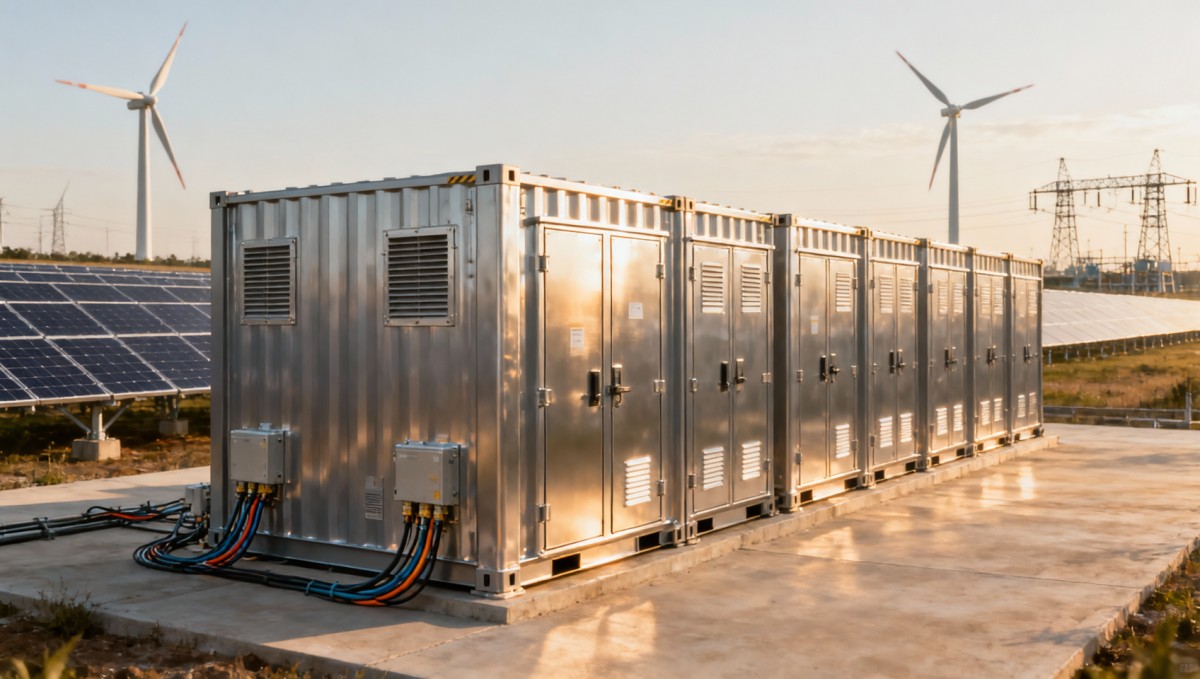
The policy sets a target of 2.5 GW/10 GWh of storage capacity by 2029. New solar and wind-solar hybrid projects of 1 MW or more must include battery storage equivalent to at least 10% of project capacity, with a duration of four hours.
Standalone BESS projects of 1 MW or more are eligible for a 100% fee exemption and a 10-year charge reduction. The policy also includes a domestic energy management system requirement.
Where the Policy May Affect Project Delivery
Renewable Project Developers
Analysis suggests that developers of projects meeting the stated capacity threshold may need to incorporate storage into technical specifications, procurement plans and project budgets. The meaning of the capacity calculation and the treatment of particular project configurations warrant verification against the policy's detailed provisions.
Battery Suppliers and System Integrators
From an industry perspective, the four-hour storage requirement may influence equipment sizing and the information requested in technical bids. Suppliers and integrators may need to demonstrate how a proposed system meets the applicable capacity and duration requirements, while clarifying the scope of the domestic energy management system provision.
Standalone Storage Investors and Contractors
The stated exemptions and reductions may be relevant to the financial assessment of standalone BESS projects. However, the supplied information does not identify the fees and charges covered or explain how eligibility is determined. Investors and contractors should verify those details before incorporating the benefits into commercial assumptions.
Questions for Procurement and Compliance Teams
Confirm Project Sizing
Teams may consider reviewing project capacity and proposed storage duration against the policy text. They should seek clarification on calculation methods and any conditions applicable to projects at or above the 1 MW threshold.
Review Energy Management System Requirements
Equipment buyers and integrators should verify what qualifies as a domestic energy management system, what documentation may be required and whether the provision affects supplier selection or system integration. These details are not specified in the supplied summary.
Check Incentive Eligibility and Contract Assumptions
For standalone projects, commercial teams should confirm which fees and charges are covered, the eligibility conditions and the treatment of the 10-year reduction. Procurement and contract schedules may need review once the relevant execution details are available.
Track Technical and Tender Documentation
Developers and suppliers may wish to monitor policy details and tender documents for requirements governing system specifications, supporting technical records and delivery obligations. No specific certification or testing requirement is identified in the supplied information.
From Announcement to Execution
At this stage, the announcement is best understood as a stated policy direction with specified project requirements and incentives, while implementation details remain to be verified. How the capacity requirement is calculated, how the domestic system provision is applied and which charges qualify for relief could materially affect project decisions.
Planning Around the New Policy
The policy connects renewable project development with battery storage and gives standalone BESS participants a reason to examine the stated incentives. The practical response is to assess potentially affected projects now while treating unresolved eligibility, technical and execution details as matters for further verification.
Basis for This Report and Further Verification
This article is based on the user-provided news title, event date and event summary. No specific official source link was provided in the input, so the policy text and its implementation require continued verification. Relevant materials to monitor include official announcements, detailed policy provisions, tender documents and subsequent industry feedback.
Recommended News
- Choosing Business Software for SMEs: Features, Costs and ScalabilityNov 14, 2026Choosing business software for SMEs? Compare features, total costs and scalability with practical tips to reduce risk and find the right fit.
- China Sets 2030 Energy Storage Target in New Implementation PlanNov 13, 2026China's 2030 energy storage target calls for 300 GW of capacity and a three-hour average duration. Explore what the plan means for the industry.
- What Is a Business Insights Database and What Can It Tell You?Nov 10, 2026Discover what a business insights database reveals about companies, markets, and trade—and how to evaluate its data for smarter research decisions.
- Tamil Nadu Announces Battery Energy Storage System Policy 2026Nov 05, 2026Tamil Nadu’s Battery Energy Storage System Policy 2026 outlines storage targets, project requirements and incentives. Explore the potential impact and what to verify.
- Belgian and German Capacity Auctions Deliver Contrasting Results for StorageNov 04, 2026Belgian and German capacity auctions delivered contrasting results for battery storage and gas. Discover how market design shapes opportunities for developers.
All Categories
Hot Articles
- Audience Targeting for Regional Cultural Promotion: A Practical GuideNov 16, 2026Master regional cultural promotion audience targeting with practical tips to reach the right people, craft compelling messages, and drive participation.
- Oman Awards Two Duqm Green Hydrogen Projects and Opens Fourth Auction at COP31Nov 15, 2026Oman green hydrogen projects in Duqm target 121,000 tonnes annually by 2032. Explore the awards and a new auction linking hydrogen with green-powered data centers.
- Supplier Capability Metrics: How to Assess Capacity, Quality and DeliveryNov 15, 2026Use supplier capability metrics to assess capacity, quality and delivery. Learn how to verify claims, compare suppliers and reduce sourcing risks.