
Vietnam Tightens Green Building Material Import Rules
TIME
Click count
On July 1, 2026, Vietnam brought into effect Circular 12/2026/TT-BCT under the Ministry of Industry and Trade (MOIT), introducing a stricter compliance requirement for imported green building materials. The rule matters directly to Chinese manufacturers, importers, traders, and supply chain operators handling products such as recycled aggregates, low-carbon cement, and bio-based boards, because shipments now need both a factory-issued Environmental Product Declaration (EPD) and the underlying Life Cycle Inventory (LCI) raw data package in XML format. For companies serving the Vietnam market, the immediate issue is no longer only product positioning, but whether documentation is complete, verifiable, and accepted in local review.
What the New Vietnam Requirement Confirms
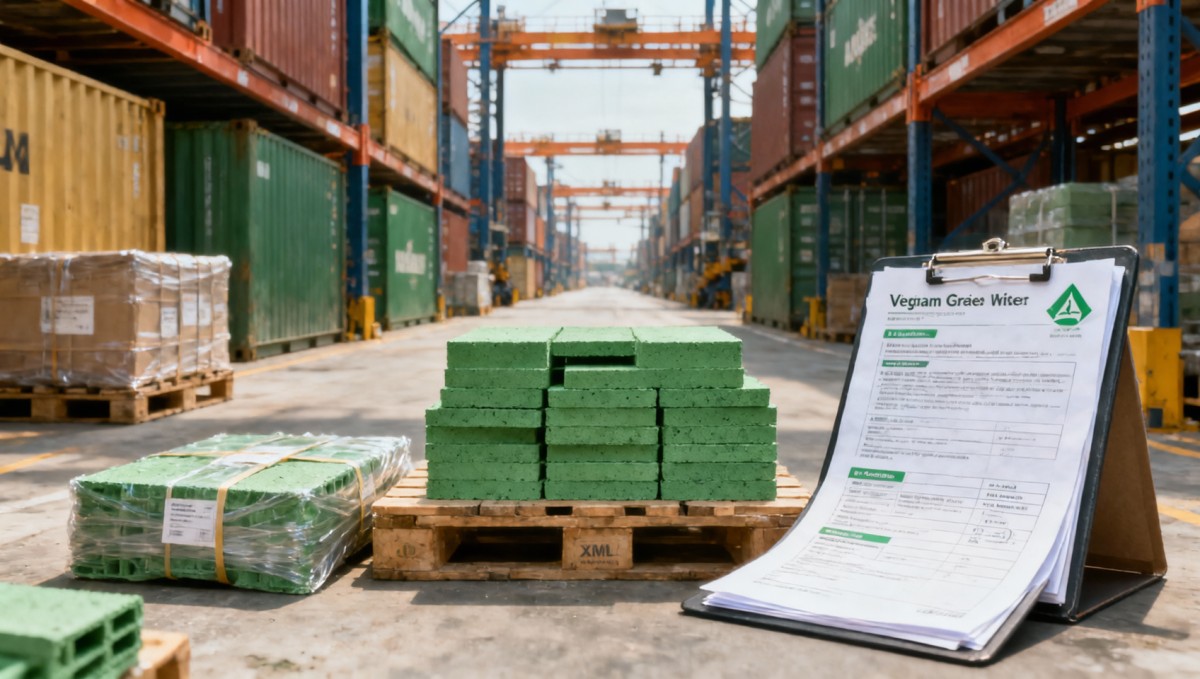
According to the information provided, Circular 12/2026/TT-BCT took effect on July 1, 2026. The measure applies to imported green building materials, including recycled aggregates, low-carbon cement, and bio-based panels. Under the rule, these imports must be accompanied by an Environmental Product Declaration issued by the original Chinese factory, together with the underlying Life Cycle Inventory raw data package in XML format.
The submitted materials are subject to localized verification by VinaCert in Vietnam. If a shipment does not meet the requirement, the goods will be held on a batch basis and an additional 15% compliance review fee will be imposed. These are the confirmed points available from the current event summary.
Where the Pressure Will Be Felt First
Export transactions now depend on document readiness
From an industry perspective, trading companies and direct exporters are likely to feel the impact first because shipment release is now tied to whether the required EPD and LCI data package are available from the original Chinese factory. The practical effect is concentrated in pre-shipment document preparation, coordination with manufacturers, and timing of customs-facing submission.
Manufacturing sites face new expectations on data output
Chinese factories supplying the Vietnam market may be affected at the source-document level. Analysis shows that the requirement is not limited to a high-level environmental statement; it also reaches the underlying LCI raw data package in XML format. That raises the operational importance of data ownership, document consistency, and the ability to provide material in the exact format required for review.
Importers and local buyers carry delivery risk
Vietnam importers and downstream buyers may be exposed to delays if the compliance file is incomplete or not accepted during localized verification. The main business impact lies in shipment scheduling, receipt planning, and cost exposure, since non-compliant batches may be detained and charged an additional 15% compliance review fee.
Supply chain service providers may need tighter handoffs
Logistics coordinators, customs support teams, and other supply chain service providers are also likely to be affected through documentation workflows. What deserves closer attention is the handoff between factory data, exporter files, and local verification requirements, because a break at any point may affect batch clearance and delivery timing.
What Companies Should Watch Closely Now
Whether factory-issued files can actually support shipment
The first practical question is whether the original Chinese factory can issue both the EPD and the underlying LCI raw data package in XML format for the products being shipped to Vietnam. Companies active in the market will need to distinguish between having a sustainability-related document in general and having the exact materials required under this rule.
How localized verification affects transaction timing
Because VinaCert is named as the local verification body, businesses should pay close attention to how this review step fits into order confirmation, shipping schedules, and delivery commitments. Analysis shows that the compliance obligation is not only documentary in nature; it can directly influence cargo release timing once goods reach the market.
Which product lines face the most immediate exposure
The confirmed scope includes recycled aggregates, low-carbon cement, and bio-based boards. Companies dealing in these categories should review whether existing supplier files are complete and whether internal teams have aligned on document collection before shipment. For mixed portfolios, product-level sorting may become necessary to avoid treating all SKUs as equally ready for export.
How to prepare for cost and communication risk
Observably, the stated consequence for non-compliance creates both financial and customer-management pressure. Batch detention and the added 15% compliance review fee make advance communication with suppliers, import partners, and customers more important, especially where contracts or delivery windows may be affected by documentation gaps.
Why This Looks Larger Than a Filing Detail
Analysis shows that this development is better understood as more than a routine paperwork adjustment. The requirement links market access for certain green building materials to factory-origin environmental documentation and machine-readable underlying data, with local verification built into the process. That suggests the compliance threshold is moving closer to primary production data rather than stopping at summary-level declarations.
At the same time, it is still more appropriate to understand this as a live regulatory development that deserves continued observation, rather than as a completed long-term market outcome. The confirmed facts establish the rule, its document requirements, the role of VinaCert, and the penalty for non-compliance. What remains important for the industry is how consistently the rule is applied in practice across transactions and product categories.
How the Market May Need to Read This Signal
For the building materials trade serving Vietnam, the immediate meaning of this update is clear: green-attribute products now face a sharper documentation threshold at import. The broader industry significance is that environmental claims are being tied more directly to auditable source data in the transaction process itself. Current conditions do not justify overstatement, but they do support a cautious reading that documentation capability is becoming part of commercial readiness, not a secondary afterthought.
It is more appropriate to understand this development as both a near-term operational change and a longer-term compliance signal. In the short term, it affects shipment preparation and clearance risk. In the longer term, it indicates that raw environmental data may carry increasing weight in cross-border materials trade where green credentials are part of market entry.
Basis of This Article and What Still Needs Verification
This article is based on the user-provided news title, event date, and event summary concerning Vietnam's new import requirement for green building materials. No additional facts, data points, links, or external case details have been introduced beyond that provided information.
For this type of industry update, source categories that are commonly relevant include official government notices, regulator announcements, company compliance statements, industry association releases, authoritative media coverage, and standard-setting documents. The specific official source link was not provided in the input, so continued verification remains necessary. Follow-up attention should focus on any further official wording, implementation clarifications, and how localized verification is carried out in practice for affected product categories.
Recommended News
- How to Compare Eco-Friendly Flooring Materials for High-Traffic Commercial SpacesOct 01, 2026Compare eco-friendly flooring materials for high-traffic commercial spaces with practical insights on durability, maintenance, lifecycle impact, and smarter specification choices.
- How to Specify Eco-Friendly Construction Materials for European Building ProjectsSep 29, 2026Eco-friendly construction materials Europe: learn how to specify durable, compliant, low-impact products with whole-life evidence, practical procurement checks, and buildable performance criteria.
- When is a bentonite membrane suitable for below-grade waterproofing?Sep 22, 2026Bentonite membrane suitability for below-grade waterproofing: assess confinement, groundwater pressure, soil chemistry, and installation details.
- Eco Construction for Warehouses: How to Cut Energy Use Without Disrupting OperationsSep 22, 2026Eco construction for warehouses: cut energy use with phased upgrades, smarter controls, and resilient materials—without disrupting logistics or daily operations.
- Energy-Efficient Construction Materials Manufacturing: Controlling Thermal PerformanceSep 16, 2026Energy-efficient construction materials manufacturing: control thermal performance through moisture management, process precision, and assembly-level verification.
- How to Define Technical Buying Criteria for Reliable Category ResearchSep 28, 2026Technical buying criteria for category research: build measurable requirements, assess risk, compliance, and lifecycle value for smarter supplier decisions.
- B2B Market Analysis Compliance Guide: How to Validate Data, Claims, and SourcesSep 25, 2026B2B market analysis compliance guide: learn to validate data, supplier claims, methodologies, and cross-border sources for credible, decision-ready market intelligence.
- When R&D in manufacturing is ready to move beyond the pilot stageSep 22, 2026R&D in manufacturing: discover the five signs your pilot is ready to scale, from process control and quality to integration, ownership, and real-world economics.
- How R&D in the manufacturing industry reduces scale-up riskSep 22, 2026r&d in manufacturing industry reduces scale-up risk with pilot builds, process validation, supplier alignment, and workforce readiness for more reliable launches.
- The most common supplier compliance requirements before onboardingSep 21, 2026Explore the most common supplier compliance requirements before onboarding, from legal checks and quality to ESG, cybersecurity, and supply continuity.
- Technology Advancements Dashboards: What Metrics Reveal Emerging Industry Shifts?Oct 02, 2026Technology advancements dashboard insights reveal investment, adoption, supply-chain, and policy signals—helping leaders spot real industry shifts before competitors.
- How to Compare Global Sourcing Information Before Shortlisting Overseas SuppliersSep 30, 2026Global sourcing information comparison made practical: verify suppliers, assess compliance, capacity, landed cost, and delivery risk before building a confident overseas shortlist.
- Battery Cage Price in Nigeria: Cost Drivers for Farm Project BudgetsSep 22, 2026Battery cage price in Nigeria explained: compare installed costs, steel quality, logistics, water systems and project budget risks before choosing poultry housing.
- How to Build a Poultry Equipment Price List for a New Farm SetupSep 22, 2026Poultry equipment price list guide for new farm setups: compare systems, uncover hidden costs, assess quality, and plan installation with confidence.
- Which digital export channels fit products with longer sales cycles?Sep 21, 2026Digital export channels for long sales cycles: learn how websites, industry platforms, marketplaces, and targeted outreach build trust, qualify buyers, and drive complex B2B export deals.
All Categories
Hot Articles
- Technology Advancements Dashboards: What Metrics Reveal Emerging Industry Shifts?Oct 02, 2026Technology advancements dashboard insights reveal investment, adoption, supply-chain, and policy signals—helping leaders spot real industry shifts before competitors.
- How to Compare Eco-Friendly Flooring Materials for High-Traffic Commercial SpacesOct 01, 2026Compare eco-friendly flooring materials for high-traffic commercial spaces with practical insights on durability, maintenance, lifecycle impact, and smarter specification choices.
- How to Compare Global Sourcing Information Before Shortlisting Overseas SuppliersSep 30, 2026Global sourcing information comparison made practical: verify suppliers, assess compliance, capacity, landed cost, and delivery risk before building a confident overseas shortlist.