
Shanghai Single Window Adds Supply Chain Hub
TIME
Click count
On June 12, 2026, Shanghai’s international trade single-window platform launched a new supply chain services section that combines trade development, compliance, logistics, customs clearance, supply chain finance, traceability, and green and low-carbon functions in one entry point. For importers, exporters, procurement teams, and service providers involved in cross-border purchasing, the update is worth watching because it links operational efficiency with compliance handling and financing access, especially for product categories such as ESS, photovoltaic modules, and smart grid equipment that typically face higher documentation and compliance demands.
What the new section includes
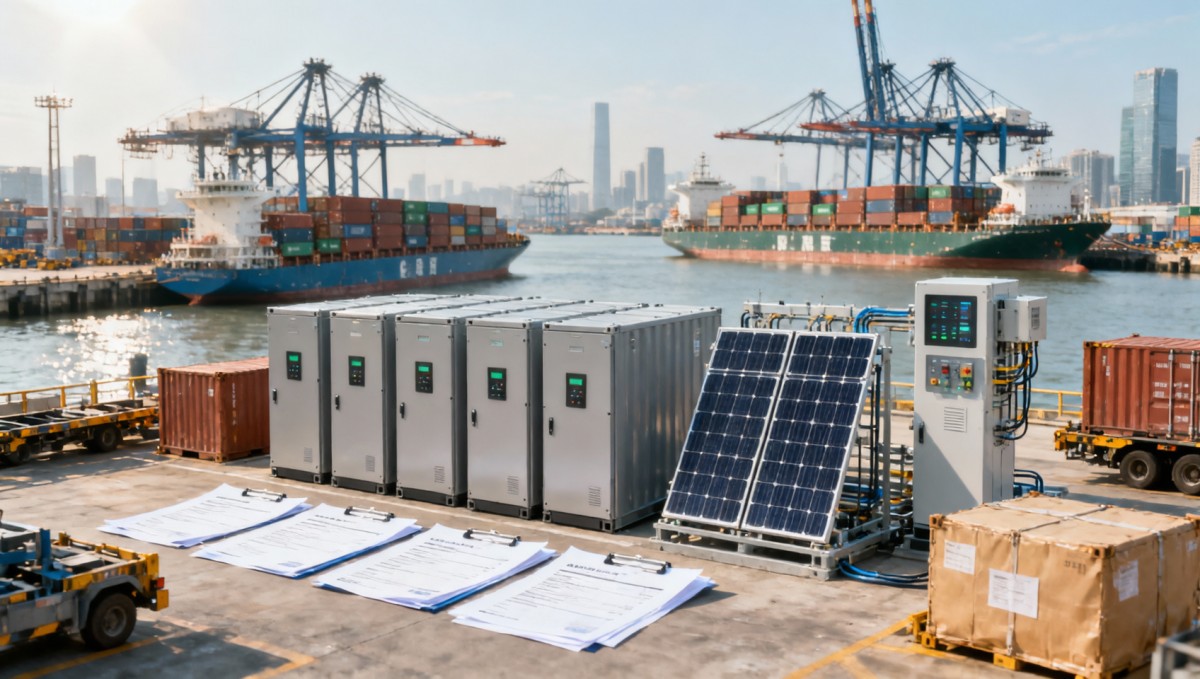
According to the provided event summary, the new section went live on June 12, 2026 under Shanghai’s international trade single-window platform. It covers seven functions: international market development, trade compliance, international logistics, cross-border customs clearance, supply chain finance, end-to-end traceability, and green and low-carbon services.
The platform is open to global buyers and supports multilingual interfaces as well as API connectivity. The provided information also states that the setup can reduce compliance costs for importers and lower account-period risk in cross-border transactions. The categories specifically identified as likely to benefit include ESS energy storage, photovoltaic modules, and smart grid equipment.
Where the impact may be felt first
Importers handling high-compliance product categories
From an industry perspective, importers are among the most directly affected users because the platform combines compliance-related functions with customs and financing access. For buyers sourcing ESS, photovoltaic modules, or smart grid equipment, the main operational impact may appear in document preparation, customs coordination, and risk control around payment cycles. What deserves closer attention is whether platform access translates into smoother execution across these linked steps rather than improvement in only one isolated process.
Export-oriented manufacturers and trading companies
Manufacturers and trading firms serving overseas buyers may also feel the effect through customer expectations. Analysis shows that when a procurement-side platform offers multilingual access, API connectivity, and traceability-related functions, suppliers may face stronger pressure to provide cleaner data, more complete compliance materials, and clearer delivery coordination. The practical impact is likely to center on how efficiently suppliers can align order information, shipment status, and supporting documents with buyer-side systems and customs needs.
Logistics, customs, and finance service providers
Service providers connected to cross-border trade workflows may see this as a sign of greater process integration. Observably, the inclusion of logistics, customs clearance, and supply chain finance in one section suggests that service performance may be judged less as separate tasks and more as part of an end-to-end chain. The immediate point to watch is how operational interfaces, data exchange, and response speed adapt when buyers and suppliers begin using a more centralized service entry.
What companies should monitor now
Changes in official wording and operating rules
Companies should track whether later official updates provide more detail on usage rules, access conditions, and function boundaries for the new section. The current announcement signals capability, but actual business value often depends on how each function is activated in practice.
Readiness of compliance and document systems
For suppliers and buyers in higher-compliance categories, one practical focus is whether internal document sets, product records, and supporting materials are organized well enough to fit a more connected platform workflow. This matters because any improvement in customs efficiency or financing access may still depend on the consistency and completeness of submitted information.
API integration and cross-team coordination
Because multilingual interfaces and API connectivity are part of the confirmed information, firms with existing procurement, logistics, or trade management systems should pay attention to technical and process alignment. In practical terms, this means coordination between procurement, compliance, logistics, finance, and customer-facing teams may become more important than treating each step separately.
Customer communication on lead time and risk allocation
Importers and exporters should also watch how to communicate any changes in clearance timing, document flow, and financing arrangements to counterparties. Analysis shows that a new platform function can improve expectations, but commercial commitments still need to reflect what has actually been implemented and verified in transactions.
Why this matters beyond a single platform update
Analysis shows that this development is more appropriately understood as an operational signal rather than a completed market outcome. The signal is that cross-border trade services are being presented in a more integrated format, combining compliance, logistics, customs, finance, traceability, and green-related functions in one place. For sectors such as ESS, photovoltaic modules, and smart grid equipment, this is notable because these categories often require tighter coordination across multiple transaction steps.
At the same time, it is still necessary to distinguish between platform availability and realized business results. Observably, the launch itself confirms service scope and access direction, but the extent of measurable improvement in transaction speed, financing convenience, and risk reduction still requires continued observation through actual use.
How the update is best understood at this stage
At this stage, the launch of the new section is best read as a practical industry signal with near-term operational relevance and longer-term implications for how cross-border procurement is organized. It indicates a stronger push toward integrated trade handling for buyers and suppliers, especially in product areas where compliance and documentation are already central to execution. A neutral reading is that the platform creates new conditions for efficiency and coordination, but its full impact should be assessed through subsequent implementation details and market adoption.
Basis of this article and what still needs verification
This article is based on the user-provided news title, event date, and event summary. For reporting of this type, commonly relevant source categories may include official announcements, corporate disclosures, industry association updates, authoritative media coverage, and standards-related documents. A specific official source link was not provided in the input, so the exact source document still requires continued verification. Follow-up attention should focus on later official explanations, implementation rules, and how the listed functions are used in real cross-border procurement workflows.
Recommended News
- How Emergency Projects Can Select Prefabricated Building Systems for Rapid DeploymentSep 13, 2026Prefabricated building systems for emergency response: learn how to select safe, adaptable solutions for rapid deployment, utilities, logistics, and site needs.
- REACH Compliance in B2B Market Analysis: Assessing Supplier Risk and Market AccessSep 12, 2026B2B market analysis REACH compliance: assess supplier risk, strengthen evidence controls, and protect EEA market access with practical sourcing insights.
- How Project Leaders Can Prioritize Risk Mitigation Before Schedule and Cost Impacts EscalateSep 11, 2026Project risk mitigation priorities: learn how leaders spot early warnings, protect critical milestones, and prevent costly schedule and budget escalation.
- Analyzing Pressure Ratings in Technical Specifications for Safe Equipment SelectionSep 10, 2026Technical specifications analysis for pressure rating selection: learn how to assess temperature, materials, transients, and connections for safer equipment choices.
- Technical Buying Criteria for Green Materials in High-Performance Building ProjectsSep 09, 2026Technical buying criteria for green materials: evaluate carbon data, durability, fire safety, lifecycle cost, circularity, and supply risk for high-performance building projects.
- REACH Compliance in B2B Market Analysis: Assessing Supplier Risk and Market AccessSep 12, 2026B2B market analysis REACH compliance: assess supplier risk, strengthen evidence controls, and protect EEA market access with practical sourcing insights.
- Analyzing Pressure Ratings in Technical Specifications for Safe Equipment SelectionSep 10, 2026Technical specifications analysis for pressure rating selection: learn how to assess temperature, materials, transients, and connections for safer equipment choices.
- How Often Should Heavy Excavators Be Serviced in Mining Operations?Sep 03, 2026What are the maintenance intervals for heavy excavators in mining? Discover practical service schedules, severe-duty adjustments, oil analysis, and uptime-focused maintenance tips.
- Which mining equipment performance standards matter most on site?Sep 03, 2026Mining equipment performance industry standards: assess availability, payload, fuel efficiency, durability, and safety to improve on-site productivity.
- How to Choose Engineering Metrics for Tracking Cost, Quality, and Delivery PerformanceSep 02, 2026Engineering metrics guide smarter decisions on cost, quality, and delivery. Learn how to build a focused dashboard that exposes risks early and improves project performance.
- Which Emerging Destinations Offer the Best Manufacturing Tax Incentives in 2026?Sep 03, 2026What emerging destinations offer the best manufacturing tax incentives 2026? Compare Vietnam, India, Morocco, Egypt, and Gulf zones for tax, duty, and export advantages.
- Can Data Analysis Tools Detect Supplier Fraud in Procurement Data?Sep 03, 2026Can data analysis tools detect supplier fraud in procurement data? Discover key red flags, analytics methods, and practical controls to investigate risks sooner.
- How German bulk pricing changes the cost of industrial machinerySep 03, 2026Industrial machinery and supplies price list and bulk purchase costs in Germany: uncover real savings across equipment, logistics, service, and compliance.
- How to Vet Industrial Suppliers in Mexico for Quality, Lead Times, and ComplianceSep 03, 2026Industrial suppliers in Mexico: learn how to verify quality systems, realistic lead times, export readiness, and compliance to reduce sourcing risk and landed costs.
- China’s First 7-Month Trade Growth Signals Faster High-Tech and Green ExportsAug 17, 2026China’s first 7-month trade growth highlights faster high-tech and green exports, stronger ASEAN and emerging-market demand, and what exporters and buyers must do on compliance and delivery.
All Categories
Hot Articles
- How Emergency Projects Can Select Prefabricated Building Systems for Rapid DeploymentSep 13, 2026Prefabricated building systems for emergency response: learn how to select safe, adaptable solutions for rapid deployment, utilities, logistics, and site needs.
- REACH Compliance in B2B Market Analysis: Assessing Supplier Risk and Market AccessSep 12, 2026B2B market analysis REACH compliance: assess supplier risk, strengthen evidence controls, and protect EEA market access with practical sourcing insights.
- How Project Leaders Can Prioritize Risk Mitigation Before Schedule and Cost Impacts EscalateSep 11, 2026Project risk mitigation priorities: learn how leaders spot early warnings, protect critical milestones, and prevent costly schedule and budget escalation.